
Blog
What Happens If a Central Heating Service Finds a Safety Issue?
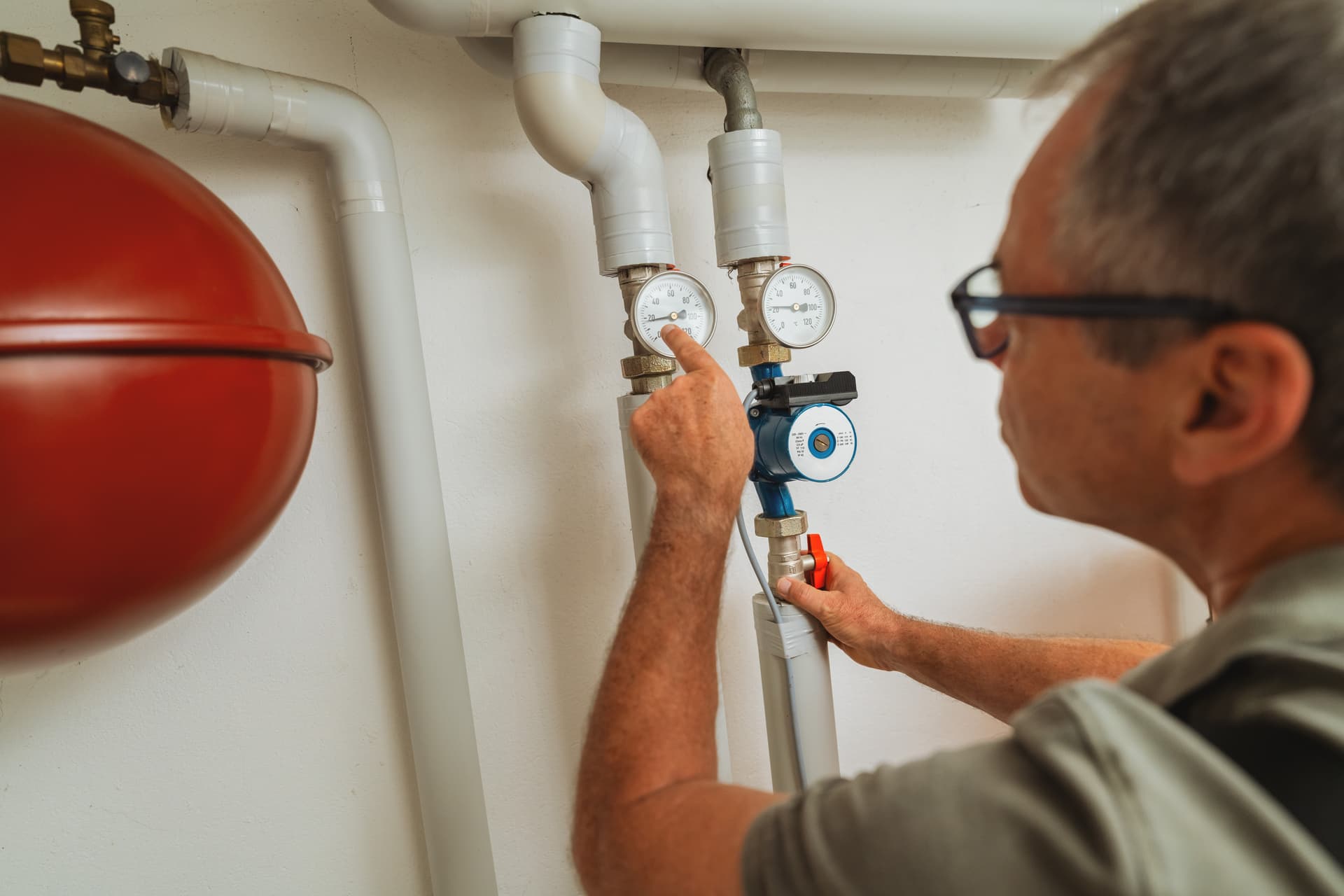
Why a service can uncover more than a breakdown
A central heating system can continue producing heat while a fault is developing. That is why a service is not simply a check that the radiators get warm. We look for the reasons a system may become unsafe, unreliable or increasingly inefficient before the problem becomes obvious to you.
For gas heating, the most serious risks relate to combustion and the safe removal of products through the flue. Other faults affect pressure, circulation, controls or the condition of the wider system. Some are inconvenient. Others need immediate attention.
Our Central Heating Servicing work is intended to identify which situation you are dealing with, explain it clearly and prevent you being left to guess what a warning means.
The main ways a heating fault can develop
Combustion is not working correctly
A boiler needs the correct balance of gas and air to burn properly. If combustion is incomplete, the appliance may produce more harmful products than it should. The cause can relate to burner condition, air supply, operating components or another internal fault.
You may not notice this immediately. A change in flame appearance, unusual staining, an unexpected smell or the boiler shutting itself down repeatedly can be a warning, although the absence of symptoms does not prove that combustion is safe. Carbon monoxide may not have a noticeable smell, so never rely on smell alone to indicate whether it is present.
During a service, we check how the boiler is burning fuel and whether it is working within safe limits. If the results indicate a safety concern, the priority is not to improve performance or continue with routine adjustments. The appliance must be dealt with safely before normal use can resume.
Flue problems can affect safe operation
The flue is the pipe that carries waste gases away from the boiler. Damage, poor connections, obstruction or an installation issue can interfere with that process. A boiler may still appear to run normally while the flue is not performing as it should.
This is one reason we inspect the flue as part of the wider appliance assessment rather than treating the boiler as an isolated box. Access, the type of boiler and the layout of the property all affect what can be checked. In a Wirral home, a Liverpool terrace or a larger property around Chester, the route and accessibility may be quite different.
A flue concern is not something to monitor casually. We explain what has been identified and what needs to happen before the appliance can be considered safe to use.
Pressure and circulation faults create strain
Low system pressure can result from a leak, repeated discharge, air entering the system or a component that is no longer holding pressure correctly. High pressure may point towards expansion or pressure relief problems. Neither should be dismissed simply because the heating still works.
Poor circulation creates a different set of symptoms. Radiators may heat unevenly, the boiler may cycle repeatedly, or some parts of the system may remain cool while others become excessively hot. Air, sludge, a restricted component, pump trouble or uneven water flow through the system can all play a part.
These faults may not be immediately dangerous in the same way as a combustion issue, but leaving them unresolved can put extra strain on pumps, valves and the boiler. The eventual repair may also become more disruptive because one failing component has affected others.
Controls and electrical components can mask the cause
A heating system can appear faulty when the underlying problem is a thermostat, programmer, sensor, wiring connection or valve that opens and closes automatically. Conversely, replacing a control without checking the rest of the system can leave the real cause untouched.
We look at how the controls interact with the boiler and heating circuit. A boiler that starts and stops unexpectedly, fails to respond to settings or heats water inconsistently may need diagnosis rather than a simple reset. Repeatedly resetting the appliance can hide the pattern and allow the fault to return.
What you should do if you notice a warning sign
If you smell gas, suspect carbon monoxide, see unusual staining or believe an appliance is unsafe, stop using it and seek urgent guidance through the appropriate emergency route. Do not remove the boiler casing, alter gas components or attempt to test the flue yourself. Those checks require the right competence and equipment.
For less urgent symptoms, note what happens and when. Record fault codes if the display shows one, whether the problem affects heating or hot water, and whether pressure changes are repeated. Do not keep resetting a boiler that repeatedly locks out. Useful observations help us investigate the cause without encouraging you to carry out unsafe work.
What happens after we identify a fault
We separate immediate safety concerns from defects that can be monitored or repaired through planned work. If an appliance or component presents a safety issue, we explain what has been identified and whether the appliance should continue to be used.
For a non-critical fault, the correct repair depends on the cause, the condition of the existing system, access and whether related components have also been affected. We explain the options before any further work is agreed. A quote can then reflect the actual scope rather than an assumption based on one symptom.
At Optimal Heating, we service domestic heating systems across Wirral, Liverpool and Chester. If your boiler or central heating is showing a recurring fault, arrange a professional assessment before a small defect becomes a larger system problem.
Other Articles