Blog
Do You Need a Powerflush Before Installing a New Boiler?
Why the condition of your heating system matters
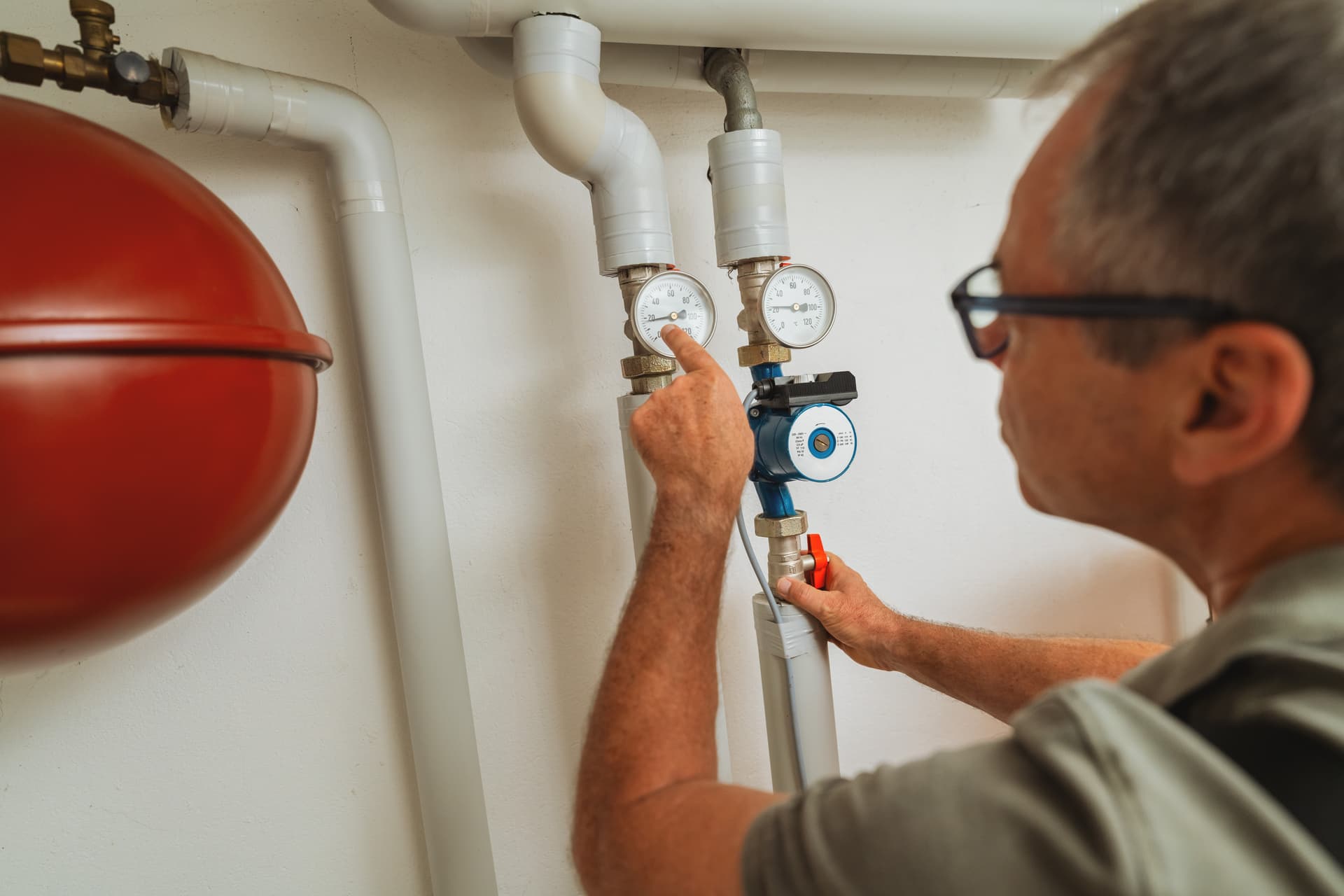
A new boiler is only one part of a central heating system. Radiators, valves, pumps, pipework and controls all need to work together. If the existing system contains sludge, magnetite or corrosion debris, installing a new boiler without addressing it can transfer the problem into the new appliance.
This is why a powerflush should not be treated as an automatic extra or dismissed as unnecessary. The right decision depends on what is happening inside your system, how severe the contamination is and what protection the replacement boiler needs. During a Boiler Installation, we assess those factors rather than recommending the same treatment for every property.
What sludge does inside a heating system
Sludge is a mixture of corrosion products, rust and other debris carried by the system water. It tends to collect where water moves slowly, including at the bottoms of radiators, in bends in pipework and around components such as pumps and valves.
As deposits build up, they restrict circulation. The boiler may heat the water, but that heat does not travel effectively around the property. The result can be radiators that remain cold at the bottom, rooms that take longer to heat, noisy pumps or repeated problems with radiator temperature valves. These symptoms do not prove that a powerflush is required, but they indicate that the system needs proper investigation.
Contaminated water can also pass through the boiler’s internal waterways. Debris may interfere with circulation, reduce heat transfer or contribute to blockages. A replacement boiler with clean internal components cannot clean the rest of the system by itself.
What can go wrong if contamination is ignored
The main risk is not simply that the new boiler will fail immediately. More often, the heating system continues to operate with poor circulation and gradually places extra strain on its components.
A partial blockage inside the boiler may reduce how effectively it heats the water. Restricted flow can make the boiler repeatedly switch on and off, while debris can affect pumps, valves and other moving parts. Radiators may still underperform, leading you to assume the new boiler has been incorrectly sized or fitted when the underlying issue is elsewhere in the system.
There is also a problem with setting up and checking the new boiler. A heating engineer can correctly install and set up the new boiler, but the performance of the wider system will still be limited by dirty water and restricted flow. Replacing a boiler without dealing with an obvious contamination problem can mean paying for remedial work later and disturbing pipework or components that have already been installed.
When a powerflush is more likely to be appropriate
A powerflush uses controlled circulation and cleaning chemicals to loosen and remove deposits from the heating system. It is more likely to be considered where several parts of the system show signs of contamination, such as multiple poorly heating radiators, dark system water, recurring blockages or a history of circulation faults.
The age and condition of the existing pipework also matter. A system that has accumulated corrosion over a long period may need more thorough cleaning than one with little evidence of debris. The type of replacement boiler matters too, because the installation must protect its waterways and maintain suitable system performance.
However, a powerflush is not a cure for every heating problem. A failed pump, trapped air, an incorrectly balanced system or a faulty valve can create similar symptoms. Flushing will not correct those faults. It is important to identify the cause rather than use cleaning as a substitute for diagnosis.
When another approach may be suitable
Some systems do not need an aggressive flush. If contamination is limited, cleaning the system using an appropriate method, fitting a magnetic filter and adding system inhibitor may provide suitable protection. The correct approach depends on the existing water quality, the condition of the radiators and pipework, and what the survey reveals.
A magnetic filter is designed to capture magnetic metal particles as the heating water circulates. It does not replace cleaning where heavy sludge is already present, but it can help reduce the amount of debris reaching the boiler after installation. A corrosion-protection treatment works differently by helping to reduce corrosion inside the system when kept at the right strength.
Neither measure should be selected by guesswork. An engineer needs to assess the system and specify what is appropriate for the installation being carried out.
What you can check before the survey
You can safely note how your radiators behave, whether the system makes unusual noises and whether particular rooms consistently struggle to reach the temperature set on the controls. If you have had repeated valve, pump or circulation issues, mention them during the survey. This history can be more useful than a single observation on the day.
Do not remove boiler covers, alter gas components or add chemicals yourself. The boiler installation and any associated cleaning, flushing or treatment should be assessed and completed by a suitably qualified heating engineer. Gas work must be carried out by a Gas Safe Registered professional.
For homes across Wirral, Liverpool and Chester, we assess the existing heating system as part of planning the replacement boiler. The aim is to leave you with a compatible, clean and properly protected system, not simply a new appliance connected to old problems. Contact Optimal Heating to discuss your installation and request a clear recommendation based on your property.
Other Articles